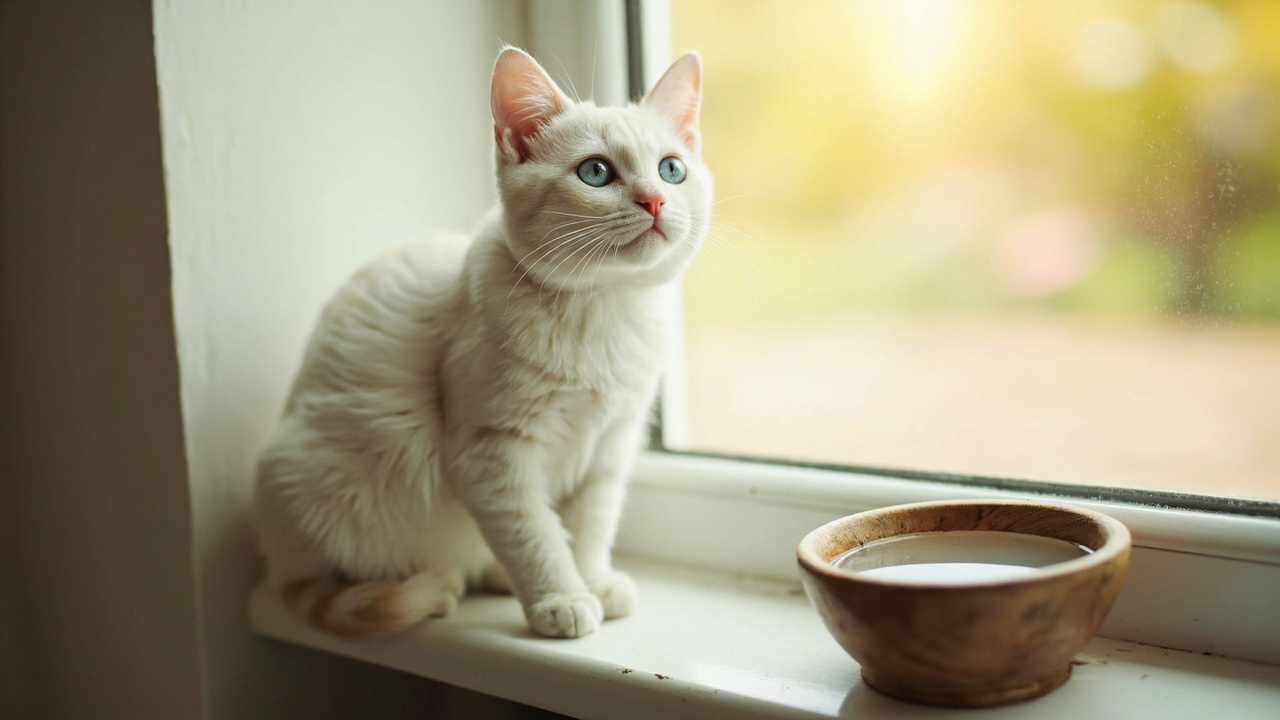
A cat named Yuzu was found by veterinary students in terrible shape—severe scabies, ear mites, and fungal infections had left him barely recognizable. A year of consistent medical care later, his matted mess had transformed into a pristine white coat. The biggest shock: beneath all that grime, he had striking blue eyes.
Yuzu's story is far from unusual. Bored Panda assembled a gallery of before-and-after photos showing rescued pets going from scared and scruffy to genuinely thriving—definitive proof of why adoption changes everything.
Key facts
- Yuzu the cat: stray found with severe skin issues, now healthy with white coat and blue eyes
- Other highlights: a Samoyed who recovered from skin infection, a tar-covered stray ready for adoption, Brodie the therapy dog
- Each photo ties to broader shelter and adoption data
- The takeaway: shelters need fewer animals, puppy mills need fewer customers
What the photos show
Each image pair tells the same story with different details. A fluffy Samoyed whose coat grew back after treatment. A cat rescued from tar-covered streets, adoption-ready a month later. Brodie, attacked by his mother as a puppy, now a certified therapy dog helping people with disabilities. Biscuit, who survived years on Texas streets and a historic freeze before wandering into someone's late-night Whataburger run—now the most spoiled dog in his new home.
The visual contrast is the point. These aren't exceptional cases; they're representative.
Why adoption matters at a system level
The numbers are stark. According to Shelter Animals Count, over 359,000 dogs and around 330,000 cats were euthanized in U.S. Shelters in 2023. Most weren't sick or dangerous—they simply ran out of space and time.
Adoption creates what the ASPCA's Matt Bershadker calls a "rescue effect": one adoption opens a kennel for the next animal in need. Every happy photo is one more slot freed up in an overstretched system.
Our analysis: the hidden trade-off
Adoption does double duty. Beyond saving individual animals, it starves a darker market. The ASPCA estimates over 2 million puppies come from puppy mills annually, with roughly 250,000 breeding dogs spending their lives in cramped wire cages. These facilities face repeated federal animal welfare violations—untreated illness, early separation from mothers, chronic anxiety in adult dogs.
The trade-off is simple: every family choosing a shelter animal over a breeder's website is one fewer sale funding the worst operators. Backyard breeders and mills have learned to hide behind glossy websites, often insisting on gas-station handoffs so buyers never see where the animals came from.
A single adoption won't close a mill. But the cumulative demand signal is real—and it's one of the few tools average people have against an industry that prioritizes volume over welfare.
Who should care
| If you are… | Why this matters |
|---|---|
| Considering a pet | The shelter is the first stop, not the last resort. The right match often comes from the building you weren't planning to visit. |
| Already a pet owner | Sharing these stories helps reduce demand for puppy mills and clears shelter space for animals in genuine need. |
| Worried about shelter capacity | Every adoption creates a ripple effect—one slot freed means one more animal can enter the system. |
| Concerned about animal welfare | Avoiding online breeders and pet stores directly reduces funding for cruel operations. |
Say you're considering adding a pet
Visit your local shelter before browsing breeder listings. Spend time with the animals. Ask staff about temperament and history. Bring someone good at reading body language. The right match is rarely the first one you see—and it almost always comes from the building you weren't planning to walk into.
Bottom line
This roundup is a feel-good gallery with a serious backbone. Adoption saves individual animals and relieves a system operating closer to capacity than most people realize. If you're ready for a pet, the shelter is the first stop.
Key takeaways
- Adoption creates space in shelters for the next animal in need.
- Most shelter euthanasia involves healthy animals that ran out of time.
- Choosing adoption over a breeder reduces demand for puppy mills.
- Each individual adoption sends a market signal against cruel breeding operations.
Frequently asked questions
Who is Yuzu the cat?
Yuzu is a stray cat found by veterinary students with severe scabies, ear mites, and fungal infections. After a year of treatment, he recovered fully and was revealed to have striking blue eyes beneath his matted fur.
How many shelter pets were euthanized in 2023?
According to Shelter Animals Count, over 359,000 dogs and around 330,000 cats were euthanized in U.S. Shelters that year.
What is the "rescue effect"?
ASPCA President Matt Bershadker describes it as the ripple effect where one adoption opens up space for another animal in need, creating a chain reaction throughout shelters nationwide.
Why does adopting matter beyond helping one animal?
Adoption reduces demand for puppy mills, where breeding dogs often live in cramped cages with poor conditions. It also frees shelter space, allowing facilities to take in more animals in need.
How can I avoid accidentally supporting puppy mills?
Avoid buying pets online or from pet stores. Visit shelters in person, ask detailed questions, and be wary of sellers who insist on meeting at unusual locations or offering delivery—tactics designed to hide the breeding environment.
Inspired by reporting from: 2.boredpanda.com