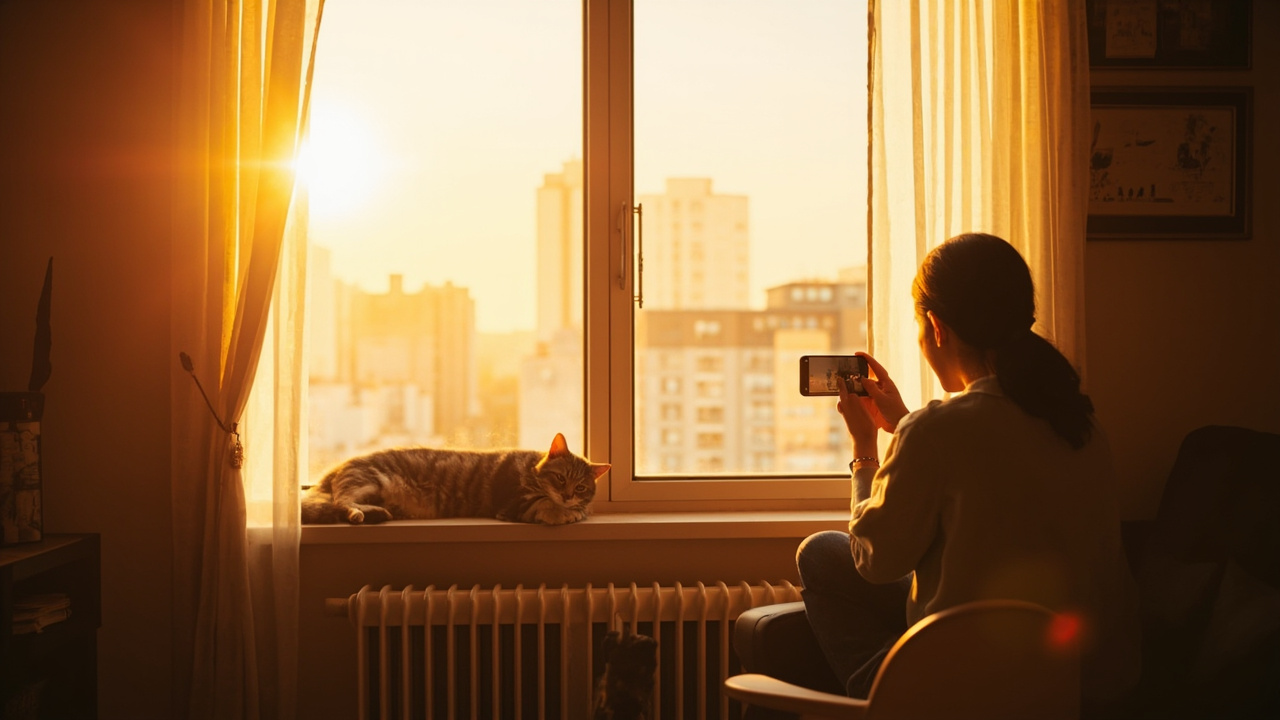
Humans have tolerated cats for thousands of years. They keep out mice. We pamper them forever. Seems like a fair trade. But somewhere along the way, cats stopped being just useful critters and became full-blown cultural icons that dominate our feeds, our hearts, and increasingly our homes.
Cat ownership has exploded into a lifestyle phenomenon driven by social media, urban living, and shifting family dynamics. These pictures prove why people can't get enough.
At A Glance
- Cats have become internet mascots and mood-personifications
- Apartment living makes cats ideal low-maintenance companions
- Shelter adoptions increase after viral cat videos
- Cats are now treated as family with premium care and attention
- Economic and social shifts have made cats emotional substitutes for traditional family structures
Why Cats Won The Internet
A one-eyed cat named Klaus with half his ears and a partially amputated tail found a family who thinks he's a perfect handsome baby. A cat typically mean to everyone fell in love with a blind daughter. A 21-year-old cat named Lady wears tiny sweaters because she's old and cold. A kitten found covered in adhesive made a full recovery after dedicated care. A cat named Castrol was discovered covered in engine oil and rebuilt into a healthy, loved pet.
These aren't just pets. They're family members documented, celebrated, and shared millions of times across every major platform.
Social media drove this shift in ways nobody predicted. Instagram celebrity pets have millions of followers. TikTok cat content consistently trends. What was once a private human-cat relationship is now cultural currency exchanged daily between strangers who bond over shared appreciation for feline absurdity.
The numbers tell part of the story. Cat videos dominate YouTube view counts. Subreddits dedicated to cat pictures have millions of members. Twitter's most-shared animal content usually features cats doing something either adorable or completely unhinged.
The Apartment Factor
Cats fit modern life in ways dogs simply can't. They're quieter. They take up less room. They don't need daily walks when you're working late or living in a 500-square-foot studio.
Rental policies and lifestyle constraints make dog ownership impractical for millions of urban dwellers. Cats work in small spaces. They adapt to single-person routines. For busy millennials and Gen Zers living in major cities, cats are the ideal low-maintenance roommate who also happens to be extremely photogenic.
Urban apartment dwelling has exploded among younger adults who delay homeownership or skip it entirely. Cats fill a companionship gap without requiring the space, time, or financial commitment that狗 ownership demands. This isn't a small thing. It's a fundamental reshaping of how people relate to animals and to each other.
What Changed Recently
Shelters report increased adoption requests following viral videos or trending breeds. Cat owners pamper their felines with trendy accessories, specialty treats, and designer decor for their pets' living spaces. Some install cat shelves, climbing walls, and self-cleaning litter boxes that cost more than basic furniture.
Pet insurance for cats is a growing industry. Special diets. Veterinary specialists. Some owners spend more on their cats than they do on themselves, and they're not ashamed to admit it.
The COVID-19 pandemic accelerated these trends. Lockdowns drove cat adoptions as people sought companionship during isolation. The bonds formed during those years appear to be lasting. Many who adopted during the pandemic describe their cats as essential support systems that got them through difficult times.
Our Analysis
Cat content works because it delivers instant emotional payoff. No setup required. Just look at Klaus and smile.
The question isn't whether cats are having a moment. They are. The question is whether this represents genuine cultural shift or temporary pandemic-era bonding that will fade as life normalizes. Evidence points toward permanence. Birth rates continue falling. More people live alone or delay traditional families. Economic pressure makes pet ownership increasingly attractive as an emotional investment that doesn't require the infrastructure of human relationships.
For this site's readers, cat pictures represent the purest form of mood-lift content. These images do the emotional work for you. Scroll past, tag a friend who needs a pick-me-up, or set one as your phone wallpaper. The best cat pictures function as instant mood reset buttons.
What to watch next: Shelter intake numbers, pet industry financial reports, and social media engagement metrics for animal content versus other entertainment categories. If cat content continues outperforming other niches, expect more platforms to prioritize feline-focused creators.
Practical Takeaway
Say you're stuck in a work-from-home routine, living alone in a small apartment, and your social media feed is dragging you down. One practical move: replace fifteen minutes of news scrolling with fifteen minutes of curated cat content. Follow accounts that feature rescue stories, funny cat pictures, or wholesome adoption updates. The emotional reset is real, and you'll have shareable content ready for the next time a friend needs lifting up too.
Bottom Line
Cats won because they fit modern life and modern psychology. They demand less and give back enormous returns in cuteness and emotional comfort. The internet was basically built for cats, and they're finally cashing in on that fact. Expect more viral cat moments, more adoption success stories, and more people treating their feline roommates as essential family members rather than just pets.
—
Key takeaways
- Cats are the ideal pet for urban apartment dwellers working long hours
- Viral cat content demonstrably drives real-world adoption rates at shelters
- Modern cats are treated as family with premium care, insurance, and dedicated spaces
- Cat pictures remain one of the most effective mood-lift tools for quick social sharing
- Social media algorithms continue rewarding cat content with high engagement
Frequently asked questions
Why do cats dominate the internet?
Their independent nature makes them naturally funny, their faces are highly expressive, and they fit perfectly into short video formats and image posts that perform well on social platforms.
Has cat ownership actually increased recently?
Yes, particularly among younger adults in urban areas where apartment living and rental policies make dog ownership impractical. The trend accelerated during the pandemic and appears permanent.
Why do people treat cats like children now?
Shifting family dynamics, delayed parenthood, rising单身 rates, and the emotional support pets provide have all contributed to animals being treated as genuine family members rather than just pets.
Do viral cat videos actually help shelters?
Yes, shelters consistently report increased adoption requests following viral cat videos or trending breeds. This is one of the clearest measurable impacts of internet cat culture.
What makes certain cat pictures go viral?
Rescue stories with dramatic before-and-after elements, cats with distinctive appearances or disabilities, unexpected behaviors captured in the right moment, and heartwarming human-animal bonding moments tend to perform best.
Inspired by reporting from: boredpanda.com