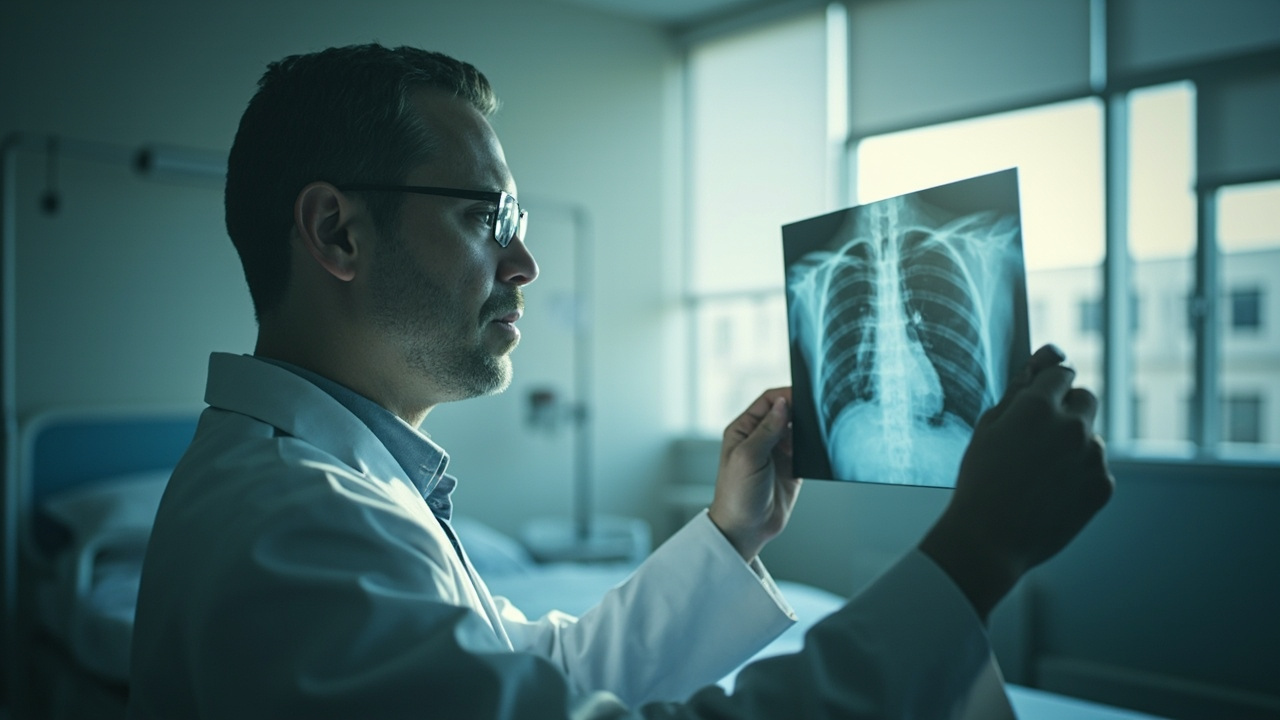
Modern medicine has come a long way. Surgeons can transplant organs, robots assist in operations, and genetic testing can predict conditions before symptoms appear. But every doctor has a story about the patient who walked in with something that made everyone in the room pause.
Doctors across the world have been sharing their most baffling cases on online forums. The stories range from weird to terrifying to borderline miraculous. According to reports, the Undiagnosed Diseases Network — a US government-funded research program — has received nearly 9,000 cases and managed to diagnose about 1,000 of them. Fifty conditions identified were entirely new to science.
When The Symptoms Don't Match The Patient
One doctor described a case that had stumped multiple specialists for months. A patient was being treated for low blood pressure that wouldn't respond to medication. Standard tests came back normal. The treatment protocol continued without improvement.
Then someone checked both arms. The readings were wildly different: 80 over 40 in one arm, 180 over 100 in the other. Further testing revealed a condition where blood flow to one arm was being stolen by another vessel. The patient had been treated for the opposite problem for months because no one thought to look at both sides. Once the correct diagnosis was made, surgery fixed the issue and the patient stabilized.
Another case involved a young woman with progressive neurological symptoms. Dizziness led to difficulty with fine motor skills, which led to trouble speaking. Scans, blood work, spinal taps, and MRIs all came back normal. After weeks of testing, specialists suspected a rare prion disease. The patient passed away before test results confirmed the diagnosis.
The Undiagnosed Diseases Network
This federally funded program was created specifically for cases that stump regular medicine. Patients who have exhausted standard options can apply to have their records reviewed by a team of specialists using advanced genetic sequencing and collaborative analysis.
The numbers are humbling: nearly 9,000 applications, roughly 1,000 diagnoses, and 50 conditions that had never been documented before. That last number is significant — it means these mystery cases aren't just rare versions of known diseases. Some of them are genuinely new.
Current cases include a teenager experiencing sudden cognitive decline, involuntary muscle jerks, and increased muscle tone in the legs. The cause remains under investigation.
Who Should Care
| Patient | Why It Matters |
|---|---|
| Anyone with unexplained symptoms lasting months | Normal test results don't mean nothing is wrong — they may mean the right test hasn't been found yet |
| People who've been told "we can't find anything" | Persistence is valid; many applicants are still waiting for answers |
| Those with rare or progressive conditions | Networks like UDN exist specifically for cases that don't fit textbook descriptions |
| Family members of undiagnosed patients | Genetic puzzle pieces often require family history to complete the picture |
Our Analysis
These stories share a pattern: the diagnostic process breaks down not because medicine lacks sophistication, but because it relies on assumptions. Assumptions about where to measure, which questions to ask first, which diseases fit the symptoms.
The subclavian steal case is a useful illustration. The solution wasn't an MRI or genetic sequencing. It was checking both arms — a five-second move that everyone had skipped because blood pressure "obviously" goes in both arms. Meanwhile, the patient was medicated for the wrong condition for months.
The trade-off is uncomfortable. Medicine rewards efficiency: standard workups, protocol-driven care, pattern matching. Mystery cases punish that efficiency. They reward the doctor who slows down, questions obvious things, or simply has a colleague wander by at the right moment.
This is why programs like the UDN exist. They provide time and resources for cases that can't be rushed. But even with NIH funding and multidisciplinary teams, only a fraction of applicants receive a diagnosis. For everyone else, the mystery continues.
The implications are practical. Patients should feel empowered to ask "what else could this be" rather than accepting "we can't find anything" as a final answer. Clinicians should recognize that normal results are a data point, not a destination.
What To Watch Next
The Undiagnosed Diseases Network is expanding its genetic analysis capabilities, and artificial intelligence is being applied to pattern recognition in complex cases. Whether these tools can close the gap between solved and unsolved cases remains to be seen. For now, the mysteries keep coming, and the doctors keep listening.
Key takeaways
- Doctors worldwide share baffling cases where symptoms don't match any standard diagnosis.
- A federally funded network has received nearly 9,000 applications and diagnosed roughly 1,000 patients, including 50 entirely new conditions.
- Some cases require simple checks — like blood pressure in both arms — that get overlooked in complex workups.
- Even with advanced testing, many cases remain unsolved, highlighting how much remains unknown about the human body.
- Second opinions and fresh perspectives often catch what initial assessments miss.
Frequently asked questions
What is the Undiagnosed Diseases Network?
It's a research program funded by the US National Institutes of Health that reviews cases stumping standard medicine, using advanced genetic analysis and collaborative specialist review.
How many cases has the network received?
The program has received nearly 9,000 applications and managed to diagnose approximately 1,000 patients.
How many new conditions have been discovered?
The network has identified 50 conditions that had never been documented in medical literature before.
Why do some medical cases remain unsolved?
Many mysteries involve symptoms that don't match known disease patterns, require technology not yet available, or depend on rare coincidences that are easy to miss.
What should you do if standard tests come back normal but symptoms persist?
Document everything, get second opinions, and consider asking whether basic assumptions about your symptoms have been questioned.