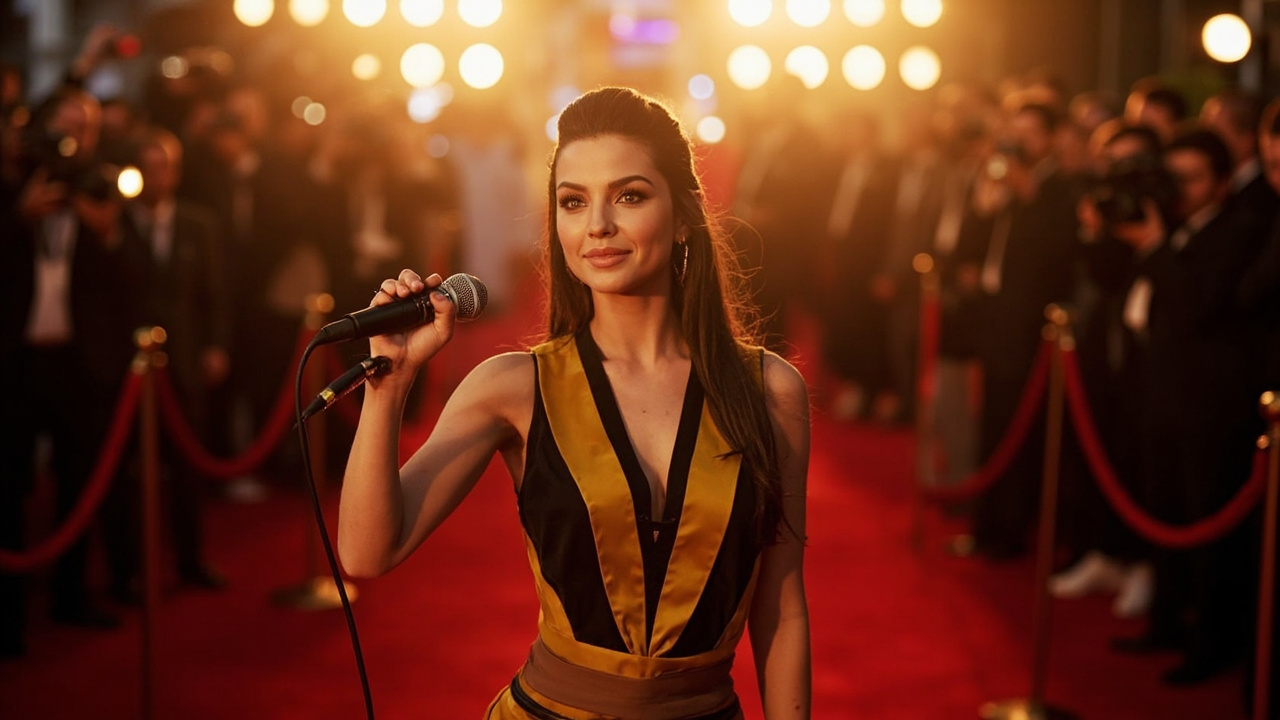
Women in the public eye face questions men rarely get asked. About their appearance. Their age. Their outfit. Their relationship to male colleagues. Things that have nothing to do with their actual work.
Some have reached their limit. And when they snap, the internet takes notice.
At a Glance
- Sofía Vergara shut down David Letterman's kidnapping joke with a single dry line
- Hannah Waddingham told a photographer exactly what she thought of his leg demand
- Scarlett Johansson refused to answer invasive questions about her costume
- These moments went viral because they name something many women experience
- The internet's reaction shows hunger for women who push back
The Letterman Exchange That Started It All
In 2010, Vergara appeared on The Late Show. She mentioned that her home country and Los Angeles share similar climates. Letterman pivoted to a tired punchline: he claimed he'd love to visit Colombia but was worried about getting kidnapped.
The joke leaned into outdated and unfair stereotypes. Vergara didn't entertain it. "They don't even know who you are over there," she fired back. One line. The room laughed. The internet saved the clip.
The Red Carpet Moment That Broke the Internet
At the 2024 Olivier Awards, a photographer yelled "Show me your leg" as Waddingham approached the carpet. The demand caught her off guard—but only for a second.
She stopped, looked at him, and delivered a line that spread instantly online: "Oh my God, you'd never say that to a man, my friend. Don't be a d**k, otherwise I'll move off."
Social media exploded. Comments ranged from "I hope my daughter would respond the exact same way" to "She is all class." The response worked because it named the double standard without sounding rehearsed.
The Avengers Interview No One Will Forget
Johansson was promoting The Avengers in 2012 when an Extra correspondent veered away from the movie entirely. His line of questioning pivoted to her form-fitting suit, pressing her on what she might wear underneath.
She shut it down in seconds. "You're like the fifth person that's asked me that today," she said. "What is going on? Since when did people start asking each other in interviews about their underwear?"
The interviewer tried again, rephrasing. Johansson wasn't playing. "I'll leave it up to your imagination," she replied, and that was that.
Why This Resonates With Online Audiences
These moments land hard because they flip the script. The person asking the stupid question expects compliance. What they get is a mirror.
Online, people react with "queen," "icon," and "class." Those reactions aren't random. They reflect a collective hunger for women who don't smile through disrespect. The satisfaction comes from watching someone finally say what most people only think.
There's a reason these clips survive years. They function as shorthand. "Don't be a d**k" becomes a meme template. The Letterman exchange gets reshared whenever someone makes a lazy joke about Latin America. The Johansson clip resurfaces every time a female superhero gets asked about her costume instead of her performance.
What It Means For You
Maybe you're not a famous actress. But the dynamic isn't unique to red carpets. Cousin making a crude comment at dinner. Boss framing condescension as charm. Guy at the bar asking if you're smiling because you look prettier when you do?
The principle is the same. You don't owe anyone a graceful response to disrespect. A dry one-liner works. A direct callout works. Sometimes the most powerful move is refusing to perform.
Say you're at a family gathering and an uncle asks when you're finally going to lose weight. Everyone waits for an awkward laugh. You could deflect. Or you could say: "That's an interesting thing to lead with." Let the silence do the work.
These celebrities didn't plan their responses for maximum viral impact. They just stopped pretending the question deserved seriousness. That's the move.
Bottom Line
These moments resonate because they name something many women experience but rarely see called out publicly. The internet celebrates them because they work—swiftly, cleanly, without apology.
You don't need to be famous to push back. You just need to decide you're done performing politeness for people who haven't earned it.
Key takeaways
- Multiple female celebrities have delivered viral comebacks to inappropriate questions
- Sofía Vergara responded to Letterman's Colombia joke with "They don't even know who you are over there"
- Hannah Waddingham told a photographer "Don't be a d**k" after he demanded to see her leg
- Scarlett Johansson refused to engage when asked about underwear under her superhero costume
- These moments resonate because they model how to name a double standard without sounding preachy
- The pattern—expectation of compliance followed by refusal—explains why audiences share these clips years later
Frequently asked questions
What did Sofía Vergara say to David Letterman?
When Letterman joked he was afraid of being kidnapped if he visited Colombia, Vergara replied, "They don't even know who you are over there."
What happened at the Olivier Awards with Hannah Waddingham?
A photographer demanded to see her leg. She responded, "Oh my God, you'd never say that to a man, my friend. Don't be a d**k, otherwise I'll move off."
What did Scarlett Johansson say about the underwear question?
She pointed out that multiple people had asked her the same inappropriate thing and asked when interviewing became about underwear.
Why do these moments go viral?
They name something many women experience—inappropriate questions about their bodies or worth—and refuse to play along. That's satisfying to watch.
What do these responses accomplish?
They challenge the idea that women's bodies are public property and model how to push back without being dismissed.