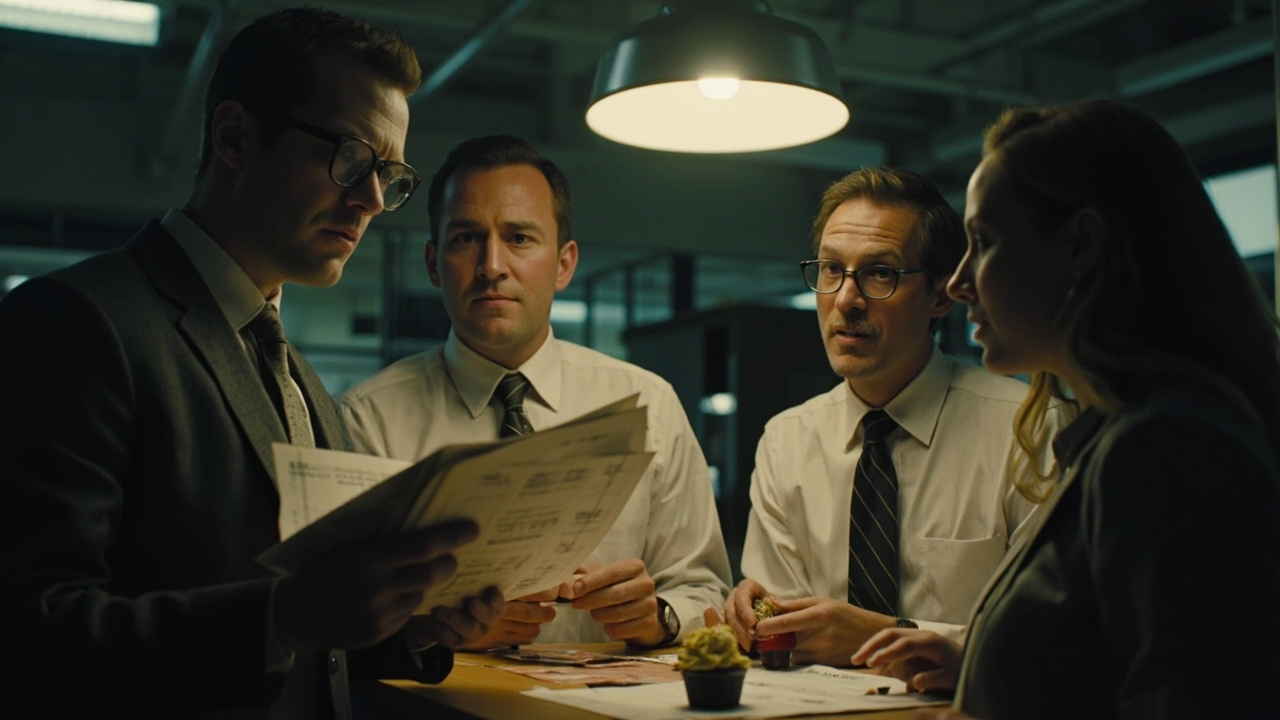
Some workplace rules exist for a reason. Safety gear. Fire exits. Don't embezzle. Then there are the policies that exist purely because one coworker treated common sense like a suggestion. A viral online thread asked workers to name rules at their job that stick around only because some single person made a mess of things. The answers, as reported by Bored Panda, range from "mildly annoying" to "genuinely unhinged."
Grab a coffee. These are painfully stupid in the best way.
The Rule Graveyard, Item By Item
The clearest pattern in the thread: small theft. The birthday-lunch story is the standout. A 12-person office let the birthday person pick a restaurant and the company paid. The person handling orders started requesting nearly double what the team needed, then walked the extras straight to her office before anyone else even saw the food. Management caught on. The lunches died.
Microwave popcorn earned a building-wide ban after burnt bags triggered three evacuations of a 13-story building across five or six weeks. The poster's admission that it might have been "three idiots, not one" is the cherry on top.
Retail workers told a different version of the same story. A reasonable dress code — no ripped jeans, no shirts with curse words — quietly morphed into a full business-casual requirement because too many coworkers rolled in wearing pajamas. Nobody asked for the upgrade. Everyone got the memo.
When Managers Overcorrect
The daycare that banned clear water bottles is the classic overcorrection. The stated problem was on-the-clock drinking. The "fix" was outlawing containers you can't see through, as if the bottle being opaque was the entire issue.
Remote work got the same treatment. One person couldn't be bothered to log in — didn't even pretend to work — so an entire team lost the option of working from home. The colleagues who actually did their jobs paid the price for someone else's laziness.
Then there's the "Hoff'd" tradition. At one office, leaving your laptop unlocked was fair game — coworkers would swap the wallpaper to David Hasselhoff, or fire off a team-wide email promising donuts. It worked as peer pressure until one humorless complainer escalated it three layers of management up, and the fun died.
Why It Matters
Most of these rules follow the same arc: one bad actor, a manager who wants to be seen doing something, and a policy that drags in everyone who wasn't part of the original problem. It's cheapest to ban the category than to police the individual. It also makes the office feel stricter than necessary, which pushes morale down without pushing output up.
The asymmetry matters. One person's abuse costs everyone a perk. One person flagging abuse early might save the perk entirely. But reporting has social risk — nobody wants to be the tattletale. So the math usually works out against speaking up, and toward the broad ban that nobody wanted.
Who Should Care
| Audience | Why This Hits Home |
|---|---|
| Employees | Your favorite perk might already be on borrowed time. Watch for quiet rule changes. |
| New hires | Rules that seem over the top almost always have a story behind them. Ask. |
| Managers | Banning the category punishes the room. Naming the individual costs one person their anonymity — and saves everyone else. |
What To Watch Next
If you spot a beloved work perk quietly disappearing over the next few months, odds are it wasn't killed by leadership. It was strangled by a single coworker who couldn't behave, and management decided the easiest fix was the broad one. The thread keeps collecting entries, and the comments section is the cleanest map of where workplace rules go wrong.
Key takeaways
- Most sweeping workplace bans exist because one person forced management's hand.
- Stealing, faking work, and showing up sloppy are the three most common triggers.
- If your favorite perk is gone, ask who the room really punished.
- Reporting a single abuser early can save a perk for the whole team — but has social costs.
- Watch for rule changes at work — they rarely come out of nowhere.
Frequently asked questions
What rule got the most attention?
The daycare banning clear water bottles because one staff member drank on the job topped the thread. The no-remote-work punishment was a close runner-up.
Why did the office cancel birthday lunches?
The person placing orders kept requesting nearly double the food needed for the 12-person office and quietly took the extras home. Once management noticed, the company-funded lunches were scrapped entirely.
What got laptops "Hoff'd"?
If someone left their laptop unlocked, coworkers swapped the wallpaper to David Hasselhoff or sent a team-wide email from it promising donuts. The prank ended when one person escalated it three levels of management.
Are these real company policies?
They're real stories posted by workers in a public Reddit thread, later collected by Bored Panda. They reflect lived experiences; the companies and posters aren't named.
How common is this kind of overcorrection?
Common enough to fill a 100+ post thread without repeating any one type of rule. Retail, offices, daycares, and restaurants all showed up.